
“Nursing school teaches you how to save lives, but not how to survive your shift“
While nursing education thoroughly covers clinical competencies like medication administration and wound care, many essential skills for career success aren’t taught in textbooks. These non-technical abilities often determine whether nurses thrive or burn out in today’s demanding healthcare environments. Based on current research and frontline experience, here are the most vital supplementary skills that separate competent nurses from exceptional caregivers.
1. Therapeutic Communication: The Art of Clinical Empathy
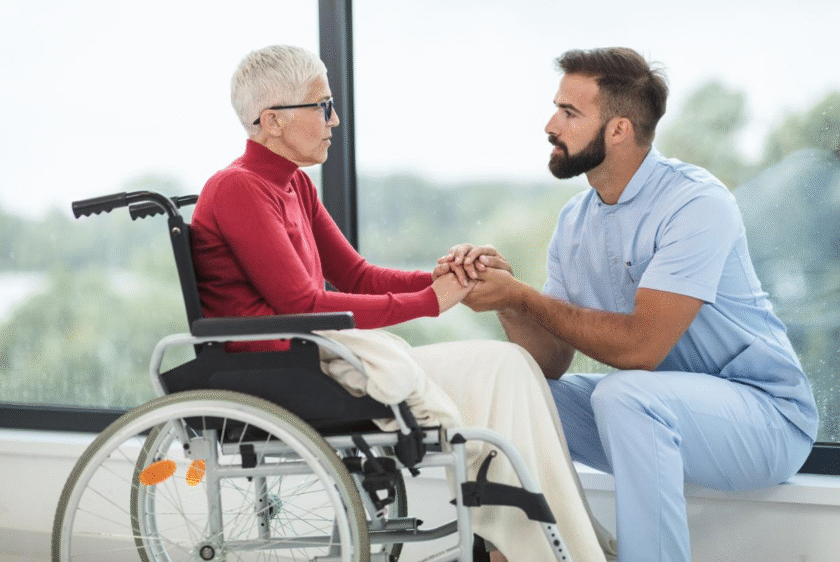
Effective communication in nursing extends far beyond relaying medical information. It requires adapting language to each patient’s health literacy level while maintaining emotional connection. Studies from the Journal of Patient Experience demonstrate that nurses who master therapeutic communication see 40% higher patient compliance with treatment plans.
The most successful nurses employ techniques like the “teach-back” method, where patients explain instructions in their own words to confirm understanding. They also recognize non-verbal cues—a patient’s grimace while denying pain or fidgeting during discharge instructions often reveals more than words. This skill becomes particularly crucial when discussing sensitive topics like end-of-life care or delivering difficult diagnoses.
2. Time Management in High-Pressure Environments
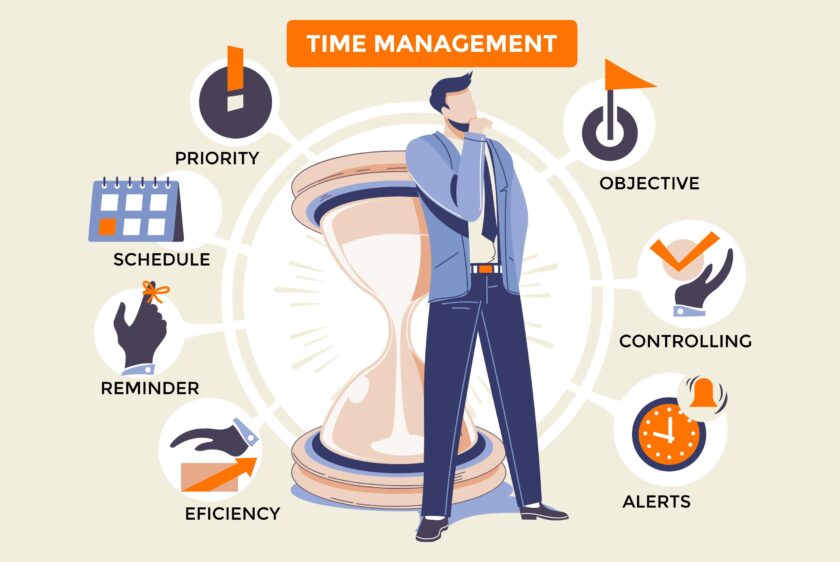
Unlike the structured simulations of nursing school, real clinical settings present constant competing priorities. A Nursing Management study found that nurses who implement systematic prioritization reduce medication errors by 60% and leave shifts feeling less exhausted.
The most effective time management strategy combines the “ABC” prioritization framework (Airway, Breathing, Circulation) with tactical batching of tasks. For example, grouping medication passes with routine assessments minimizes redundant room entries. Seasoned nurses also build “time buffers” into their shifts—anticipating that unexpected emergencies will consume 20-30% of their scheduled time.
3. Emotional Resilience: Sustaining Compassion Through Challenges
The cumulative stress of patient suffering, family conflicts, and institutional pressures leads many nurses to leave the profession within five years. However, research from the American Nurses Association shows that resilience-building practices can extend careers by decades.
Practical resilience techniques include structured debriefing after traumatic events and establishing firm psychological boundaries. One ICU nurse described her ritual: “I change out of scrubs before driving home—those ten minutes help me transition from caregiver to myself again.” Mindfulness practices, even brief ones like focused breathing during hand hygiene moments, significantly reduce burnout rates according to Journal of Nursing Scholarship data.
4. Cultural Competence in Diverse Care Settings
With patient populations growing increasingly diverse, cultural competence has evolved from ideal to necessity. A Health Affairs study revealed that culturally sensitive care reduces hospital readmissions by 35% among minority populations.
This skill involves more than avoiding offense—it requires active curiosity about how cultural backgrounds influence health behaviors. For example, some Asian patients may resist pain medication due to stoicism values, while certain religious groups might decline blood products. The most effective nurses learn to ask open-ended questions like, “What traditions are important to consider in your care plan?”
5. Interprofessional Collaboration: Bridging the Hierarchy Gap
Modern healthcare demands seamless teamwork across disciplines, yet many nurses struggle to advocate within traditional medical hierarchies. Research from The Joint Commission Journal links strong nurse-physician collaboration to 25% lower mortality rates in acute care.
Successful nurses employ structured communication tools like SBAR (Situation-Background-Assessment-Recommendation) to convey concerns efficiently. When disagreeing with a treatment plan, phrasing like “I’m concerned this dosage might…” maintains professionalism while ensuring patient safety. Unit-based interprofessional rounds have proven particularly effective for building mutual respect.
6. Patient Education: Bridging the Health Literacy Gap
With only 12% of American adults possessing proficient health literacy (per CDC data), nurses serve as critical translators of medical complexity. Effective patient education reduces 30-day readmission rates by nearly a third according to Health Literacy Research and Practice.
The most successful educators employ analogies that resonate with patients’ daily lives—comparing insulin resistance to a “stuck door lock” that needs extra help opening, or explaining hypertension as “too much water pressure in garden hoses.” They also recognize that education extends beyond verbal instructions; one oncology nurse reported sketching simple diagrams of cell division to help patients understand chemotherapy. The teach-back method remains gold standard, where patients rephrase information in their own words to confirm comprehension.
7. Critical Thinking: The Nurse as Clinical Detective
While algorithms guide many clinical decisions, Journal of Advanced Nursing studies show nurses intercept 86% of potential medical errors through situational awareness. This skill transforms routine observations into life-saving interventions.
A classic example involves post-operative patients: where novices might attribute slight confusion to anesthesia effects, critical thinkers immediately check oxygenation and glucose levels. The “ABCDE” (Airway-Breathing-Circulation-Disability-Exposure) framework provides structure, but pattern recognition develops with experience. One ER nurse described catching an “off” gait in a “healthy” trauma visitor—leading to diagnosis of an undetected stroke.
8. Stress Management: Sustainable Self-Care Strategies

Nursing ranks among the top professions for workplace stress (per OSHA data), with 68% of nurses reporting emotional exhaustion in International Nursing Review surveys. However, unit cultures that normalize stress management see 40% lower turnover.
Practical interventions include:
- Physical: Compression socks, hydration packs, and strategic caffeine use (peaking during circadian troughs at 3-5 PM)
- Psychological: The “5-5-5” rule—asking whether stressors will matter in 5 hours, days, or weeks
- Social: Peer support groups that meet monthly to discuss challenging cases
One neuro ICU nurse shared: “I keep a ‘victory jar’—notes about good outcomes I revisit after hard shifts.”
9. Attention to Detail: The Power of Nuanced Observation
The British Medical Journal attributes 23% of preventable hospital deaths to oversight errors—many caught by detail-oriented nurses. This skill blends vigilance with systematic processes.
Medication administration demonstrates this perfectly. Beyond the “five rights” (patient, drug, dose, route, time), expert nurses:
- Check expiration dates when removing vials
- Note lot numbers for vaccine documentation
- Recognize that “look-alike” medications like hydralazine and hydroxyzine require extra verification
One NICU nurse’s insistence on re-weighing a “stable” preterm infant uncovered a 7% weight loss indicating NEC—saving the baby’s life.
10. Leadership Without Authority: Influencing Beyond Titles
Per The Nurse Leader research, staff nurses exert more influence on care quality than managers through informal leadership. This manifests in:
- Advocacy: Using “concerned” language (“I’m worried about Mrs. Lee’s rising lactate”)
- Mentorship: Orienting new hires to unit culture beyond policies
- Culture-setting: Modeling desired behaviors like thorough handoffs
One med-surg nurse transformed her unit’s fall rates by initiating “mobility champions”—staff who role-modeled ambulation techniques.
Conclusion: Integrating Skills for Transformative Care
These competencies don’t develop linearly. As Nursing Outlook studies show, most nurses master technical skills within two years, but cultivate these “hidden” abilities over a decade.