
Are you considering a nursing career? You’re not alone. The nursing profession offers many opportunities, from pediatrics to gerontology, and from hospitals to community health organizations. With so many opportunities in nursing, it can be challenging to determine which career path is right for you.
As you explore your options, it’s essential to consider your goals, skills, and interests. You may be drawn to a particular specialty or work environment. By understanding the various nursing career paths available, you can make an informed decision about your future.
Key Takeaways
- Explore various nursing specialties to find the best fit for your skills and interests.
- Consider your long-term goals and how they align with different nursing career paths.
- Research the educational requirements and training needed for your desired nursing career.
- Network with professionals in your desired nursing specialty to gain insights.
- Stay flexible and open to new opportunities as you navigate your nursing career.
The Evolving Landscape of Nursing Careers
As healthcare continues to evolve, the role of nursing professionals is expanding beyond traditional boundaries. You are part of a profession that is at the forefront of healthcare delivery, and the changing landscape of healthcare needs influences your career path.
The Growing Demand for Nursing Professionals
The demand for nursing professionals is on the rise due to various factors, including an aging population and an increased focus on preventive care. According to the Bureau of Labor Statistics, employment of registered nurses is projected to grow 7% from 2020 to 2030, faster than the average for all occupations.
Nursing Specialty Projected Growth Rate Median Salary
| Registered Nurses | 7% | $75,000 |
| Nurse Practitioners | 45% | $115,000 |
| Certified Nurse Midwives | 11% | $100,000 |
How Nursing Roles Have Expanded Over Time
Nursing roles have expanded significantly, with nurses now taking on advanced practice roles, leadership positions, and specialized care. You can choose from a variety of nursing specialties, including pediatrics, oncology, and critical care. The future of nursing is bright, with opportunities for professional growth and development.

Understanding Your Nursing Career Path Options
As you embark on your nursing career, it’s essential to understand the diverse range of career paths available to you. The nursing profession is not a one-size-fits-all field; it encompasses a wide array of roles and specializations that cater to different interests, skills, and career aspirations.
Traditional vs. Non-Traditional Nursing Roles
Nursing careers can be broadly categorized into traditional and non-traditional roles. Traditional roles typically involve working in hospitals or healthcare settings, providing direct patient care. Non-traditional roles, on the other hand, offer opportunities beyond the conventional hospital setting, such as legal nurse consulting, telehealth nursing, and informatics nursing. These roles leverage nursing expertise in innovative ways, often providing a better work-life balance and new challenges.
Specialization vs. Generalization in Nursing
Nurses must also decide between specialization and generalization in their careers. Specializing in a particular area, such as pediatrics or oncology, can lead to deeper expertise and higher demand in that field. Generalization, or working across various nursing areas, can provide a broader range of experiences and flexibility. Both paths have their advantages, and the choice depends on individual preferences and career goals.
The Importance of Career Planning in Nursing
Regardless of the chosen path, career planning is crucial in nursing. It involves setting clear goals, identifying necessary education and training, and seeking mentorship. Effective career planning enables nurses to navigate their career trajectories with confidence, adapt to changes in the healthcare landscape, and achieve personal and professional fulfillment.
Hospital-Based Nursing Specialties
Nursing careers in hospitals are multifaceted, with various specialties that provide unique challenges and rewards. As a nurse, you have the flexibility to choose a specialty that aligns with your skills, interests, and career goals.
Emergency and Trauma Nursing
Emergency and trauma nursing involves providing immediate care to patients in critical conditions. Nurses in this specialty must be adept at making quick decisions and working well under pressure. They play a crucial role in stabilizing patients and saving lives.

Critical Care and Intensive Care Nursing
Critical care and intensive care nursing focus on caring for patients who are in a critical condition, often requiring life-sustaining interventions. Nurses in this area must be highly skilled in using advanced medical equipment and monitoring techniques. The work is demanding but highly rewarding.
Medical-Surgical Nursing
Medical-surgical nursing involves caring for patients with a variety of medical conditions or those undergoing surgery. This specialty requires a broad range of skills, as nurses must be prepared to handle different cases. It’s an excellent option for nurses who enjoy the diversity of cases and the opportunity to develop a wide range of skills.
Labor and Delivery Nursing
Labor and delivery nursing is a rewarding specialty that involves caring for expectant mothers during labor, delivery, and postpartum. Nurses in this area provide emotional and physical support to new mothers and their families. It’s a fulfilling role that allows nurses to be part of a significant life event.
Pediatric Nursing
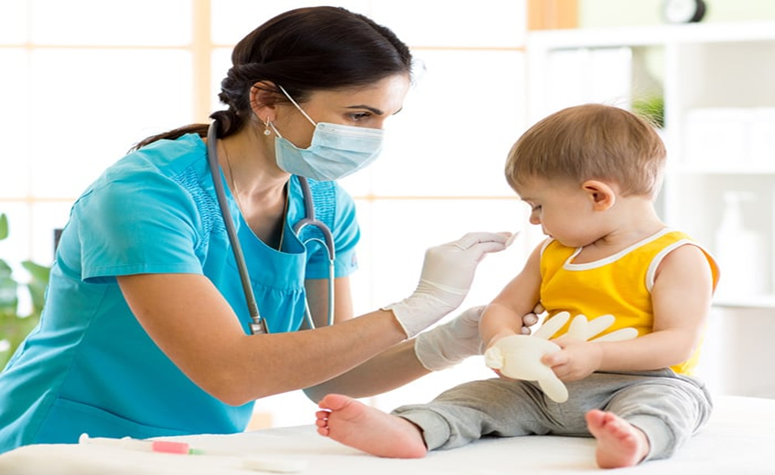
Pediatric nursing focuses on the care of infants, children, and adolescents. Pediatric nurses work in various hospital settings, providing specialized care to young patients. This specialty requires a compassionate approach and a strong understanding of child development.
Each of these hospital-based nursing specialties offers unique opportunities for professional growth and personal satisfaction. By choosing a specialty that aligns with your interests and skills, you can build a fulfilling nursing career.
Community and Public Health Nursing Careers
Nursing careers in community and public health are crucial for promoting health, preventing disease, and providing care to diverse populations. These roles extend beyond traditional hospital settings, offering nurses the opportunity to make a significant impact on community health.
School Nursing
School nurses play a vital role in the educational system, providing health services to students, staff, and sometimes the broader community. They are responsible for managing chronic conditions, administering medications, and providing health education.
Public Health Nursing
Public health nurses work to prevent disease and promote health at the population level. They are involved in health education campaigns, disease surveillance, and community outreach programs. Their work is crucial in addressing health disparities and improving health outcomes.
Home Health Nursing
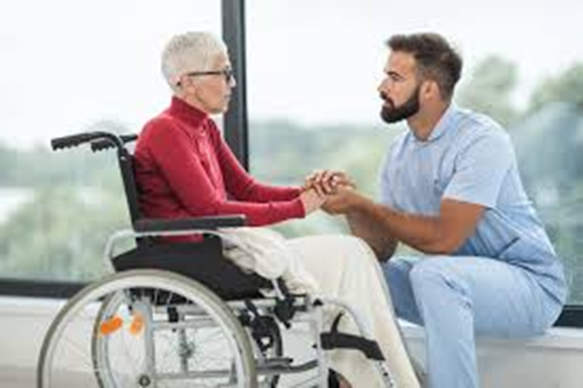
Home health nurses provide medical care to patients in their homes, helping them recover from illness or injury, manage chronic conditions, or cope with disabilities. This role requires strong clinical skills, as well as the ability to work independently.
Hospice and Palliative Care Nursing
Hospice and palliative care nurses care for patients with serious illnesses, focusing on providing comfort, managing symptoms, and supporting patients and their families through challenging times. This specialized care is essential for improving the quality of life for patients nearing the end of life.
Nursing Specialty Primary Focus Work Setting
School Nursing Health services and education Schools
Public Health Nursing Disease Prevention and Health Promotion Community settings
Home Health Nursing Medical care and rehabilitation Patients’ homes
Hospice and Palliative Care Nursing Symptom Management and Comfort Care Hospices, hospitals, and home care
These community and public health nursing careers not only offer diverse opportunities for nurses but are also critical to the healthcare system’s ability to promote health and provide care to populations. As the healthcare landscape continues to evolve, the demand for skilled nurses in these areas is expected to grow, shaping the future of nursing.
Advanced Practice Nursing Career Paths
For nurses looking to take their careers to the next level, advanced practice roles provide a range of exciting possibilities. Advanced practice registered nurses (APRNs) are healthcare professionals who have acquired advanced education and training in a specific area of nursing. They play a critical role in the healthcare system, providing high-quality patient care and serving as leaders in their communities.
Nurse Practitioners
Nurse practitioners (NPs) are APRNs who have completed advanced education in a specific population focus area, such as pediatrics, gerontology, or women’s health. They are qualified to provide primary and specialty care to patients, including diagnosing and treating illnesses, prescribing medications, and ordering diagnostic tests.
Certified Nurse Midwives
Certified nurse midwives (CNMs) are APRNs who have specialized education and training in obstetrics and gynecology. They provide prenatal, delivery, and postpartum care to women, as well as routine gynecological care.
Certified Registered Nurse Anesthetists
Certified registered nurse anesthetists (CRNAs) are APRNs who have advanced education and training in anesthesia care. They work closely with surgeons, anesthesiologists, and other healthcare professionals to provide safe and effective anesthesia care to patients.

Clinical Nurse Specialists
Clinical nurse specialists (CNSs) are APRNs who have advanced education and training in a specific area of nursing, such as pediatrics, oncology, or cardiology. They work in a variety of settings, including hospitals, clinics, and community health organizations, and are qualified to provide expert care to patients, consult with other healthcare professionals, and develop policies and procedures.
Educational Requirements for Advanced Practice
To become an APRN, nurses typically need to complete a master’s or doctoral degree in nursing, with a focus on their chosen advanced practice role. They must also obtain certification in their specialty area and maintain ongoing education and training to stay current in their field.
As the healthcare landscape continues to evolve, the demand for APRNs is expected to grow. By pursuing an advanced practice nursing career, you can take advantage of new opportunities and make a meaningful difference in the lives of your patients.
Specialized and Emerging Nursing Career Paths
Nursing careers are no longer limited to traditional roles; today, you can explore a variety of specialized and emerging paths that align with your interests and skills. The nursing profession is evolving, with new opportunities emerging in response to technological advancements, healthcare reforms, and changing patient needs.
Informatics Nursing
Informatics nursing combines nursing science with information technology to improve patient care. As a nurse informaticist, you’ll design and implement healthcare IT systems, ensuring that they meet the needs of both healthcare providers and patients.
Legal Nurse Consulting
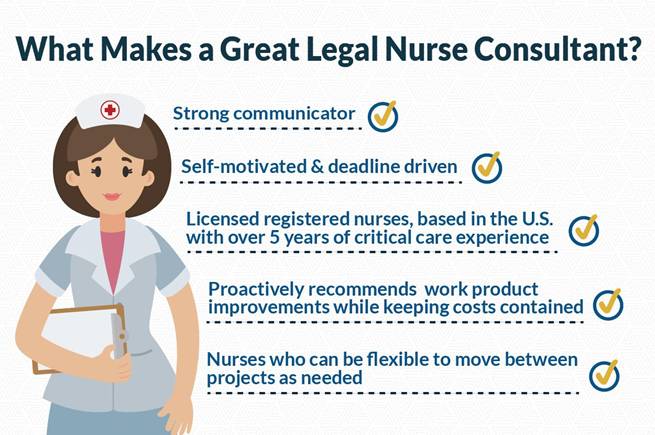
Legal nurse consulting is a growing field that involves applying your nursing expertise to legal cases. You’ll work with attorneys, insurance companies, and other stakeholders to analyze medical records, provide expert testimony, and help resolve legal disputes.
Research Nursing
Research nursing involves conducting studies to improve patient outcomes and advance the nursing profession. As a research nurse, you’ll work on clinical trials, collect and analyze data, and contribute to the development of evidence-based practice guidelines.
Telehealth Nursing
Telehealth nursing is an emerging field that involves providing healthcare services remotely through telecommunications technology. You’ll work with patients via phone, video conferencing, or other digital platforms, offering a flexible and innovative approach to patient care.
Travel Nursing
Travel nursing offers the opportunity to work in diverse healthcare settings across the country or even globally. As a travel nurse, you’ll take on short-term assignments, experience new environments, and develop your professional skills.
The table below summarizes these emerging nursing career paths and their key characteristics:
Nursing Career Path Description Key Skills
Informatics Nursing Designing and implementing healthcare IT systems Technical skills, analytical thinking
Legal Nurse Consulting Applying nursing expertise to legal cases Legal knowledge, and analytical skills.
Research Nursing Conducting studies to improve patient outcomes Research skills, attention to detail
Telehealth Nursing Providing healthcare services remotely Communication skills, technical proficiency
Travel Nursing Working on short-term assignments in diverse settings Flexibility, adaptability
These specialized and emerging nursing career paths offer you a wealth of opportunities to grow professionally, make a meaningful impact, and shape the future of nursing.
Education and Certification Requirements for Different Nursing Paths
The nursing profession offers a wide range of career paths, each with its own set of educational and certification requirements. As you consider your options, it’s crucial to understand the different levels of education and training needed for various nursing roles.
Undergraduate Nursing Degrees and Certifications
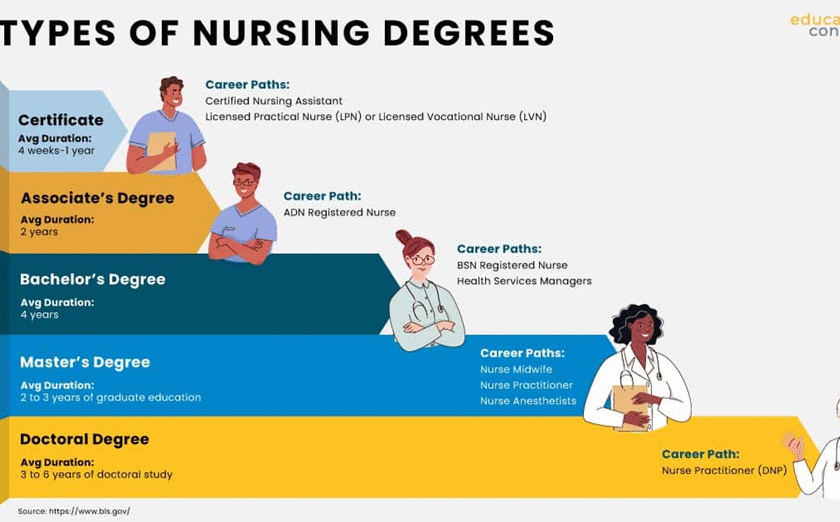
For most entry-level nursing positions, an undergraduate degree is required. The most common undergraduate degrees include the Associate Degree in Nursing (ADN) and the Bachelor of Science in Nursing (BSN). An ADN typically takes two years to complete and is a popular choice for those looking to enter the workforce quickly. On the other hand, a BSN is a four-year degree that provides a more comprehensive education, including courses in nursing research, leadership, and community health.
Certifications for undergraduate nurses can enhance job prospects and are often required for specialized roles. For example, certifications in areas like pediatrics or oncology nursing demonstrate expertise and commitment to a particular field.
Graduate Nursing Education Options
For those looking to advance their careers, graduate nursing education offers opportunities to specialize further. A Master of Science in Nursing (MSN) can lead to roles such as Nurse Practitioner (NP), Certified Nurse Midwife (CNM), or Clinical Nurse Specialist (CNS). These advanced practice roles require not only a graduate degree but also specific certifications and, in some cases, licensure.
Doctoral programs, such as the Doctor of Nursing Practice (DNP) or Ph.D. in Nursing, are also available for those interested in the highest levels of nursing practice or academia.
Continuing Education and Specialty Certifications
Continuing education is vital in the nursing profession, where advancements in medical technology and practices are constant. Many states require nurses to complete continuing education hours to maintain licensure. Specialty certifications, offered by organizations like the American Nurses Credentialing Center (ANCC), can also demonstrate expertise and enhance career opportunities.
Licensing Requirements Across States
Licensure requirements for nurses vary by state, but all states require registered nurses (RNs) to be licensed. The Nurse Licensure Compact (NLC) allows for multi-state licensure, making it easier for nurses to practice in different states without obtaining multiple licenses.
Understanding the specific licensing requirements for the state in which you wish to practice is essential for your nursing career.
How to Choose the Right Nursing Career Path for You
With numerous nursing career paths available, selecting the one that aligns with your goals is crucial. The nursing profession offers a wide range of opportunities, from direct patient care to advanced practice roles. Understanding your strengths, interests, and preferences is key to making an informed decision.
Assessing Your Interests and Strengths
To choose the right nursing career, start by assessing your interests and strengths. Consider what aspects of nursing you enjoy most and where your skills lie. Are you more inclined towards direct patient care, or do you prefer roles with more administrative or educational responsibilities? Reflecting on these questions can help narrow down your options.
Matching Your Personality Type to Nursing Specialties
Different nursing specialties require different personality traits. For instance, emergency nursing requires quick thinking and a calm demeanor under pressure, while pediatric nursing demands patience and a nurturing attitude. Understanding your personality type can guide you toward a nursing specialty that fits you well.
Work-Life Balance Considerations
Work-life balance is a critical factor in choosing a nursing career. Some nursing roles, like those in critical care or emergency departments, may require long, irregular hours, while others, such as school nursing, may offer more regular schedules. Consider what balance you need and choose a role that supports it.
Salary and Advancement Potential
Salary and advancement potential vary across different nursing careers. Advanced practice roles, for example, typically offer higher salaries and greater opportunities for career advancement. Researching these aspects can help you make a more informed decision.
Geographic Opportunities and Limitations
Some nursing specialties are more in demand in certain geographic locations. For instance, rural areas may have a higher demand for certain types of nurses compared to urban areas. Considering where you wish to live and work can influence your choice of nursing career.
By carefully considering these factors, you can choose a nursing career path that not only aligns with your personal and professional goals but also offers fulfillment and growth opportunities.
Conclusion: Charting Your Course in the Nursing Profession
As you’ve explored the various nursing career paths, it’s clear that the future of nursing is diverse and full of opportunities. With the growing demand for nursing professionals, you have a wide range of options to choose from, whether you’re interested in traditional hospital-based nursing or non-traditional roles like informatics or telehealth nursing.
To chart your course in the nursing profession, consider your personal interests, strengths, and career aspirations. Think about the work-life balance you desire, the salary and advancement potential you’re looking for, and the geographic opportunities available to you. By assessing these factors, you can make an informed decision about which nursing career path is right for you.
As you embark on your nursing journey, remember that continuing education and specialty certifications can help you stay competitive and advance in your career. With the right training and experience, you can thrive in the nursing profession and contribute to shaping the future of nursing.
FAQ
What are the most in-demand nursing specialties?
The most in-demand nursing specialties include critical care, emergency nursing, and nurse practitioners, driven by the growing need for healthcare services and an aging population.
How do I choose the right nursing career path for my skills and interests?
To choose the right nursing career path, assess your interests, strengths, and skills, and consider factors like work-life balance, salary, and advancement potential.
What education and certification are required for advanced practice nursing roles?
Advanced practice nursing roles, such as nurse practitioners and certified nurse midwives, typically require a master’s or doctoral degree in nursing and relevant certifications.
Can I switch to a different nursing specialty later in my career?
Yes, many nurses switch to different specialties later in their careers, often with additional education or certifications, allowing for career flexibility and growth.
What are the benefits of specializing in a particular nursing area?
Specializing in a particular nursing area can lead to greater job satisfaction, higher salaries, and increased opportunities for career advancement.
How does the future of nursing look, and what opportunities can I expect?
The future of nursing is promising, with opportunities in emerging areas like telehealth, informatics, and research, driven by technological advancements and healthcare reform.
What are the key factors to consider when evaluating nursing career opportunities?
When evaluating nursing career opportunities, consider factors like salary, work-life balance, professional growth, and the work environment to ensure a fulfilling career.